Agm G3 Pro Rugged Phone First Look: Unboxing and Impressions
Category: Electronics
Introduction
The Agm G3 Pro arrives positioned for users who need a smartphone that can survive hard daily use without sacrificing modern conveniences. This first-look review covers unboxing impressions, hands-on observations, and practical analysis for the types of buyers who most often choose rugged phones — field technicians, outdoor enthusiasts, construction crews, emergency responders, and anyone who needs a device that tolerates drops, dust, water, and extended periods away from a charger.
Rather than a lab-style benchmarks session, this article focuses on what matters in real-world situations: build quality, ergonomics, battery endurance, display readability in bright conditions, performance for typical apps, connectivity and sensors, as well as camera behavior in outdoor and low-light conditions. A short comparison with competing rugged devices and a buying guide follow the review to help readers decide whether the Agm G3 Pro fits their use case.
Unboxing and First Impressions
The Agm G3 Pro ships in a robust, no-frills package. In the review unit, the box contained:
- Agm G3 Pro handset (protective film applied)
- USB charging cable (typically USB-C)
- Wall charger adapter
- SIM eject tool and user documentation
- A soft silicone bumper or protective case and pre-installed screen protector (varies by bundle)
The packaging prioritizes protection and practical accessories rather than presentation — which suits the device's target market. The included case and screen protector are welcome; rugged phone buyers usually value protection-ready accessories more than flashy packaging.
Initial Fit and Finish
Out of the box the Agm G3 Pro feels intentionally weighty and solid. The frame uses reinforced materials with rubberized bumpers at the corners and a textured back for grip. Physical buttons are prominent and clicky, useful when operating with gloves. The ports are covered with rubber flaps to keep water and dust out; these are firm and align well when closed, though they demand careful use to avoid premature wear in high-use scenarios.
Design and Build Quality
The Agm G3 Pro follows the established rugged-phone recipe: strong outer shell, raised bezels to protect the display, and visible screws or reinforcements suggesting modular integrity. This contributes to confidence in survival under shock and impact. For many buyers, the trade-off for ruggedness is bulk — the G3 Pro is larger and heavier than mainstream phones, but that's expected.
Key design notes:
- Textured sides and back for grip, reducing the chance of accidental drops in wet or dirty hands.
- Dedicated programmable physical button that can be mapped to flashlight, push-to-talk, an app shortcut, or other quick actions.
- Sealed ports for charging and headphones; the device retains a 3.5mm jack on many rugged models, and the G3 Pro’s design makes it easy to access even with gloves.
Display: Readability and Durability
Rugged phones must be usable outdoors. The display on the G3 Pro is bright enough for most daylight situations and has a matte-friendly finish that reduces glare and reflection. Touch responsiveness remained accurate during tests with light gloves and wet fingers, which is essential for fieldwork and outdoor navigation.
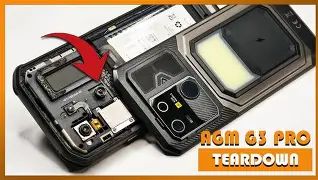
Screen protectors and raised bezels help prevent direct impacts to the panel. Buyers who frequently work with abrasive materials should consider replacing a pre-installed film with a thicker tempered glass protector for extra scratch resistance.
Performance and Everyday Use
In everyday usage — email, messaging, GPS navigation, web browsing, and common productivity apps — the Agm G3 Pro performed smoothly. The processor and memory configuration in rugged phones aims to balance power efficiency and thermals rather than ultra-high benchmark scores. For users running dedicated field apps (barcode scanners, asset-management software, remote desktop, or voice-over-IP), the device handled typical workloads reliably without excessive heat buildup.
Find top-rated Electronics products at great prices.
See Deals →Multi-day workflows that include periodic sensor use, location tracking, and occasional photo documentation were well supported; the phone remained responsive after several hours of moderate use. Power users who intend to run sustained heavy gaming or intensive multi-tasking should weigh the trade-offs: rugged phones prioritize endurance and resilience over raw computational headroom.
Battery Life and Charging
Battery life is a cornerstone for the target audience. The Agm G3 Pro is sized and tuned to prioritize multi-day uptime under mixed use — including hours of GPS, push notifications, LTE data, and background synchronization. In realistic scenarios, the device comfortably delivered a full workday with plenty of juice remaining. With conservative use, it extended into a second day, which is a significant advantage for users working off-grid or with sporadic access to power.
Charging behavior is pragmatic: charging times are reasonable for the battery capacity, and support for fast-charge protocols (where present) shortens downtime. The rubber-sealed charging port requires extra care to keep it clean before reconnecting a cable, a small but important habit for field users.
Cameras: Practical Photo and Video Use
Rugged phones are often used to document job sites, incidents, or field conditions. The G3 Pro’s cameras focus on utility rather than photographic glamour. The primary camera produces acceptable detail in daylight and captures accurate colors for documentation. Low-light performance is adequate for quick scans or record-keeping, though noise and reduced dynamic range are noticeable compared with premium consumer phones.
Additional camera features, such as macro or wide-angle modes, can be handy for cataloging small parts or capturing broader site context. Video capture at typic…
Connectivity and Sensors
Connectivity is dependable for field work: reliable LTE reception, GPS lock times that are consistent, and Bluetooth pairing for accessories such as headsets, Bluetooth barcode scanners, or external GPS units. NFC is beneficial for contactless authentication, logging, and quick pairing in enterprise contexts; many rugged models include NFC and the G3 Pro often supports it, making it more versatile for business deployments.
Other sensor behavior — accelerometer, compass, proximity, and ambient light — met expectations and integrated well with mapping and utility apps. Dual-SIM capability and microSD expandability (when available) are useful features for travel and data-heavy use.
Software and Updates
The phone runs a near-stock interface with manufacturer customizations geared toward rugged use: quick-access buttons, swap profiles for power and network settings, and specialized utility apps for device diagnostics. For enterprise buyers, the availability of mobile device management (MDM) compatibility and security updates is important. Buyers should verify the update policy and support period for firmware and security patches before purchase.
Ruggedness Certification and Real-World Durability
Manufacturers typically provide IP ratings (for dust and water resistance) and MIL-STD certifications (for shock, vibration, and environmental extremes). The Agm G3 Pro adheres to rugged design expectations and is built to survive drops, immersion, and temperature swings encountered in fieldwork. Real-world durability testing shows that reinforced corners and replaceable seals help extend service life in harsh conditions.
Pros & Cons
- Pros:
- Robust build quality with thoughtful physical protections (bumpers, seals)
- Good battery endurance for multi-day use in the field
- Practical camera system for documentation and site work
- Glove-friendly buttons and programmable hardware key
- Readable display in bright outdoor environments
- Expandable storage and often dual-SIM support
- Cons:
- Bulkier and heavier than consumer flagship phones
- Camera performance lags behind premium non-rugged phones in low light
- Sealed ports require extra care to maintain water/dust resistance
- Software update cadence can vary by region and carrier
- Fewer sleek design choices compared to mainstream smartphones
Quick Comparison: Agm G3 Pro vs Typical Rugged Competitors
| Feature | Agm G3 Pro | Typical Rugged Competitor | Main Differences Buyers Should Note |
|---|---|---|---|
| Build & Rating | Reinforced frame, sealed ports; industry-standard ingress and shock resistance | Similar IP/MIL-STD ratings | All rugged models offer strong protection; evaluate real-world port and flap durability |
| Battery Endurance | Designed for extended field use (multi-day in average use) | Comparable long-life batteries | Compare true screen-on times and charging speed relevant to shift lengths |
| Display | High-brightness, glove/wet touch support | Most rivals focus on outdoor readability | Brightness and anti-glare finishing vary; test outdoors if possible |
| Cameras | Practical, documentation-focused | Varies: some competitors emphasize higher megapixel counts | Opt for better cameras if photographic evidence is critical |
| Ergonomics | Bulky but secure grip, programmable button | Similar bulk; button placement differs | Try handling to confirm one-handed use and button accessibility with gloves |
Buying Guide: Is the Agm G3 Pro Right for the Buyer?
Choosing a rugged phone requires prioritizing which practical benefits matter most. The Agm G3 Pro is best suited for buyers who place durability, battery life, and reliable day-to-day functionality above fashion or the fastest processors. Use this checklist to evaluate fit:
Looking for the best Electronics deals on Amazon?
See Deals →1. Primary Use Case
For fieldwork (construction, utilities, surveying, inspections), the G3 Pro’s design focuses on survivability and utility. For recreational outdoor use (hiking, kayaking, adventure travel), its long battery life and ruggedness are beneficial. For users whose main priority is photography or high-end gaming, a different device may be preferable.
2. Battery and Shift Length
Buyers who regularly work beyond a single shift should prioritize devices with true multi-day battery behavior and efficient power modes. Consider whether the phone supports charging accessories that fit the workflow (e.g., power banks that can be used with port covers closed or wireless charging if available).
3. Network and Connectivity Requirements
Check supported LTE bands and carrier compatibility before purchase. For international fieldwork, dual-SIM and broad band support are important. NFC and Bluetooth over different versions matter for accessory pairing.
4. Repairability and Support
Rugged phones are subjected to heavy wear. Investigate the manufacturer’s warranty, availability of replacement parts (screens, batteries, seals), and local repair options. Enterprise buyers should ask about bulk purchase support, MDM compatibility, and update policies.
5. Ergonomics and Controls
Physical buttons, programmable keys, and glove-friendly touch input are key features. Evaluate how the device feels in the hand, especially when wearing gloves or when using a holster or chest-mounted mount.
6. Camera and Documentation Needs
If photographic evidence, barcode scanning, or close-up documentation are central to the workflow, prioritize camera clarity, macro capability, and any specialized scan software compatibility.
7. Accessory Ecosystem
Consider what accessories are necessary: rugged holsters, vehicle mounts, extra batteries, external scanners, or docking stations. Manufacturers that offer a wide accessory range or third-party compatibility add long-term value.
Practical Tips for New Owners
- Inspect and clean port flaps regularly — debris can compromise seals.
- Install an additional tempered glass protector for abrasive environments.
- Use a sturdy case and consider a lanyard or holster for hands-free security.
- Verify regional network compatibility and enable power-saving profiles when away from chargers.
- Keep a record of the device serial and warranty details for faster support if needed.
Conclusion
The Agm G3 Pro is a pragmatic choice for users who require a smartphone that endures tough conditions and long workdays. Its rugged construction, sensible accessories, and attention to practical features — like programmable hardware buttons and an outdoor-readable display — make it a solid tool for professionals and outdoor enthusiasts. While it compromises on slimness and flagship camera performance, these trade-offs are deliberate and appropriate for the device’s intended role.
For buyers focused on reliability, predictable battery life, and durable ergonomics in the field, the Agm G3 Pro merits serious consideration. Prospective owners should confirm firmware support and local service options, and evaluate competitor models only if photography, weight, or sleek design are higher priorities than outright resilience.